


A part of me feels bad because this idea that conservatives can only create bad art sounds like a shitty generalization. But it rests on deeper cultural and philosophical currents that shape both artistic production and reception.
Art is not created in a vacuum. It reflects the values, anxieties, and aspirations of the society from which it emerges. To understand why conservative art so often feels stilted, shallow, or propagandistic, one has to examine the very nature of art itself and the conditions that conservatives impose upon it.
Art is disruptive. It interrogates the status quo. Whether through painting, literature, music, or film, great art calls into question the assumptions and power structures that shape human life. From the subversive plays of Aristophanes in ancient Athens to the protest songs of the Civil Rights era, art has historically flourished when it confronted the rigidities of tradition, authority, and ideology.
Conservatism seeks the opposite: the preservation of tradition, the reinforcement of authority, the sanctification of hierarchy. To a conservative mindset, art is not meant to destabilize but to reinforce. It must affirm a “natural order,” whether that means patriarchy, nationalism, religious orthodoxy, or capitalist realism. This leaves little room for experimentation, ambiguity, or dissent.
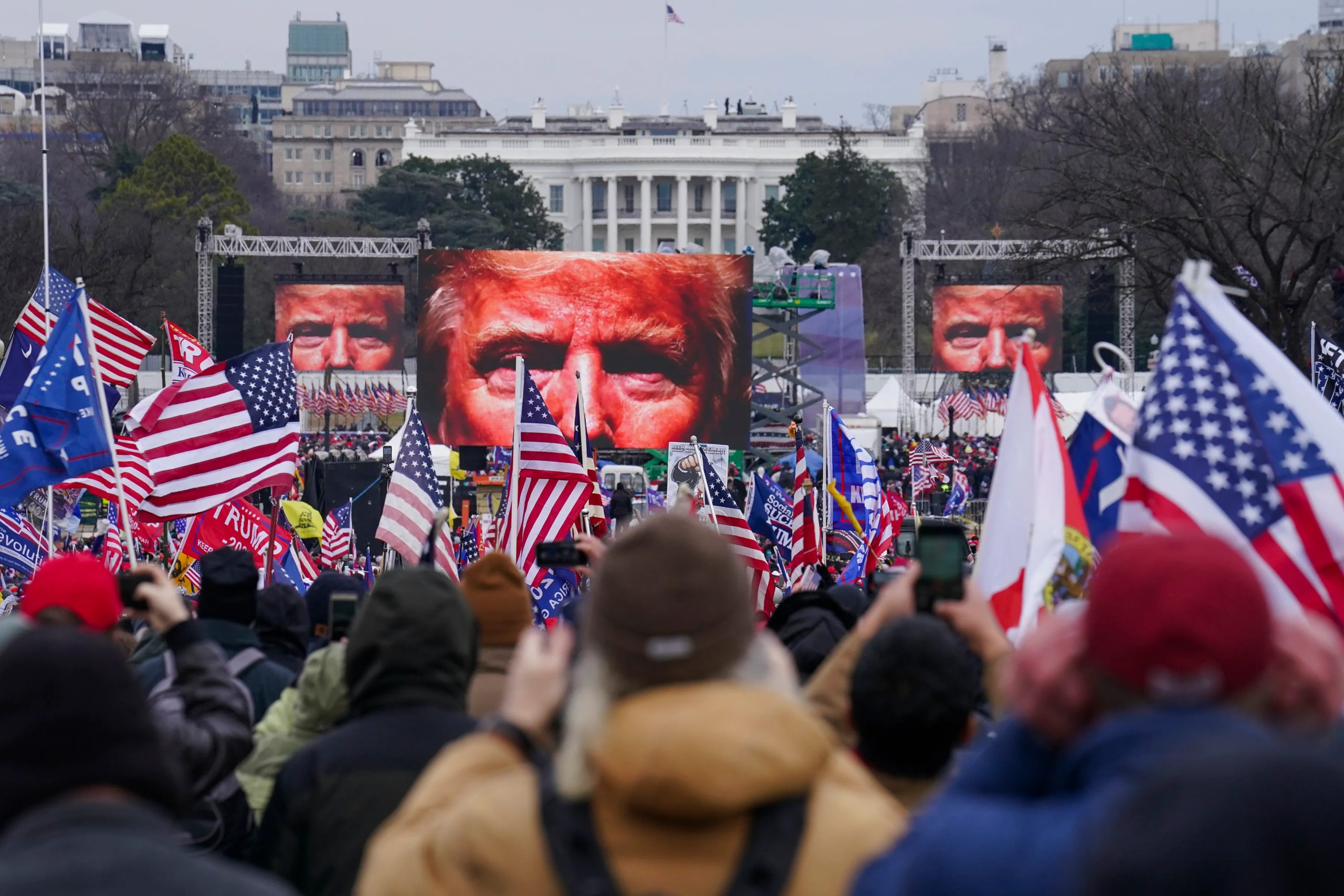
Instead, conservative art tends to collapse into propaganda: a rigid repetition of “family values,” flag worship, or moral panic narratives that leave no space for complexity.
One of the defining features of great art is its ability to embrace ambiguity. Kafka’s works remain unsettling because they resist simple interpretation; Picasso’s cubism challenges the viewer to see beyond the familiar; Toni Morrison’s novels refuse to reduce Black life to stereotypes or easy conclusions. Art thrives when it recognizes that the human condition cannot be neatly explained or resolved.
Conservative art despises ambiguity. It seeks clear villains and clear heroes, clean moral lessons, and “family-friendly” values. This insistence on certainty suffocates the vitality of the work. A novel that reduces social complexity to a sermon, or a film that functions only as patriotic cheerleading, cannot resonate beyond its political niche. It becomes bad art, even if technically polished.
Conservatism longs for an imagined “golden age” when society was more orderly, morality was clearer, and hierarchies went unchallenged. This nostalgia infects conservative art, chaining it to the aesthetics of the past rather than allowing it to experiment with the new.
Consider how right-wing cultural productions often rely on recycled imagery: endless war films glorifying the “Greatest Generation,” romanticized depictions of small-town Americana, or Christian dramas that feel like relics of mid-century moral theater. These works rarely offer innovation in form or content. They recycle cultural tropes as though originality itself were dangerous. The result is an art that feels stale, lifeless, and fundamentally unable to speak to the present.
Great art often emerges from the margins: from those excluded, oppressed, or silenced. Black writers, queer artists, immigrant storytellers, and feminist filmmakers have reshaped entire cultural landscapes by bringing new perspectives and forms into the mainstream.
Conservatism is rooted in suspicion (or outright hostility) toward marginalized voices. Conservative art, then, often erases or vilifies these perspectives, leaving itself impoverished. A film that ignores queer lives, a novel that reduces women to archetypes, or a painting that clings to outdated notions of “classical beauty” is limited in scope. In refusing to engage with the full spectrum of human experience, conservative art narrows itself to a brittle echo chamber.
Another reason conservative art fails lies in its entanglement with capitalist commodification. Conservative movements often align with corporate interests, meaning that their art must appeal to markets, not truths. This produces works that are glossy but hollow, engineered to flatter rather than provoke. Think of corporate-backed superhero films rebranded as nationalist epics, or country songs reduced to lists of trucks, flags, and beer. They are not expressions of creativity but of consumer branding.
Great art resists easy commodification. It can become commercially successful, but its value lies in how it transforms the audience, not how neatly it sells a product or ideology. When art is stripped down to a tool for market-friendly conservatism, it loses the very spark that makes it art at all.
Finally, conservative art often falls into the propaganda trap. Because it must serve as a cultural weapon in the “culture wars,” it cannot afford subtlety or contradiction. The goal is not to create but to indoctrinate. That is why so many explicitly conservative artistic projects (like faith based films to right wing comics) feel interchangeable: they are products of an ideological assembly line.
Propaganda may mobilize a movement, but it rarely produces lasting art. History remembers Picasso’s Guernica, not Franco’s state murals; James Baldwin’s The Fire Next Time, not segregationist pamphlets. Art survives when it speaks to the depths of human experience, not when it parrots the talking points of a political faction.
The problem with conservative art is not that conservatives lack technical skill or talent. It is that their worldview is fundamentally hostile to the conditions that produce great art: ambiguity, experimentation, marginality, and critique. By demanding certainty, nostalgia, and obedience, conservatism shackles its artists to propaganda and kitsch.
To make good art is to confront, to question, and to imagine otherwise. To be conservative is to resist precisely that.