


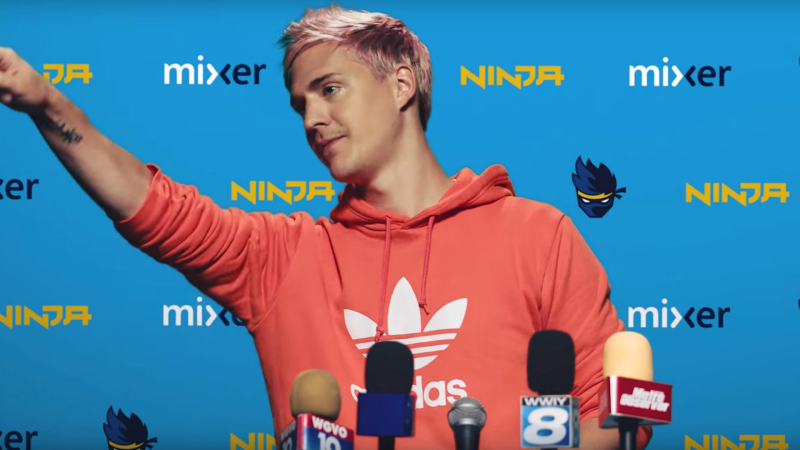
Ninja’s migration to Microsoft’s Mixer was a massive shock to the video game community, creating waves in the world of livestreaming, and shifting the weight of viewership between Twitch and Mixer. A division was created, splitting a line between excited streamers and viewers welcoming Ninja’s arrival, and ones who worried how his huge presence would change the way Mixer operates. What does this mean for the future of streaming and the companies who run it?
Mixer’s Changes & Concerns
Just before Ninja’s announcement, Mixer had already begun changing the way its platform operated. Releasing a page detailing their “commitment to our community and digital safety,” Mixer revealed several new changes that would affect their platform and the way people interacted. While the majority of the news centered around moderation and eliminating toxicity, Mixer also announced changes to the way streamers earn money.
Sparks no longer offer general monetization bonuses for partnered streamers. Now, they count toward a bonus for ember donations, leaving many partners worried about their future payments. In addition, Mixer is in the process of rolling out monetization options for all streamers, including embers and subscriptions. While many smaller, unpartnered streamers have reacted to this news positively, several others are worrying about how this will change their own livelihoods as full time content creators.
Twitch’s Response to Ninja’s Move
The response to Ninja’s migration to Mixer has been overwhelming, with a mixture of people both supporting and criticizing his decision. However, the big news revolves around Twitch, who has been under fire lately for its actions in response to Ninja’s departure. Initially, the top streaming platform began using Ninja’s old channel as a way to advertise and promote other channels, a controversial move considering they had never utilized any other channels similarly. In addition to this, a lack of security allowed pornography to leak onto his offline channel, igniting a massive response from the video game community as well as Ninja himself.
Since then Twitch has transformed Ninja’s old channel back into a familiar offline page, but the scrutiny on the platform’s security and principles has remained. Twitch CEO Emmett Shear addressed the incident, stating, “Our community comes to Twitch looking for live content. To help ensure they find great, live channels we’ve been experimenting with showing recommended content across Twitch, including on streamer’s pages that are offline.”
This “experiment” was poorly executed, feeling less like a harmless pitch for features and more like an opportunistic shot at Ninja. Even if the idea of promoting streams could be beneficial, the timing was wrong and was done in bad taste.
Twitch and Mixer Moving Forward
Just as predicted, Ninja’s move to Mixer has also inspired many others to do the same. Games, especially Fortnite, have begun featuring a larger number of streamers, with many of them finding more success than on Twitch. With the sudden influx of streamers, both of the major platforms are going to be placed under a microscope as they move forward.
Mixer, now being highlighted as the “preferred” platform, is already developing ways to welcome and assist all streamers. Twitch, while still the most popular platform, is working under damage control as it tries to smooth things over. This is the perfect opportunity for Mixer to capitalize on this situation by offering a supportive, safe place for new streamers and viewers, something they enthusiastically intend on doing.
Mixer contains several features outside of sparks and embers that help boost loyalty, offering more “rewards” for viewers who are fans of certain content creators. The longer a person watches a specific streamer and interacts either by chatting, subscribing, or donating different types of currencies, the more “hearts” they’ll earn. Hearts act as XP outside of Mixer’s overall leveling system.
In addition to the personal features Mixer provides, the company has also made strides by promoting the content of smaller streamers. HypeZone randomly picks streamers who may win battle royale matches in Fortnite, Apex Legends, and Blackout. Also, an Up and Coming section highlights streams with smaller audiences. Beyond this, Mixer has also announced the development of an academy. This program will feature a “robust learning system to help you grow your skills in key areas such as audience engagement, branding, monetization and networking. Mixer Academy will also include a learning path for moderators to hone their skills and learn best practices for maintaining their channel.”
It’ll be interesting to see how Twitch responds. In an effort to motivate Twitch streamers and viewers to remain, the platform will have to implement new, exciting features to help promote user activity. More importantly, Twitch will have to double down on their rules and expectations of content creators. There is obviously an internal conflict in the company, and the need for balance and responsibility desperately remains.