


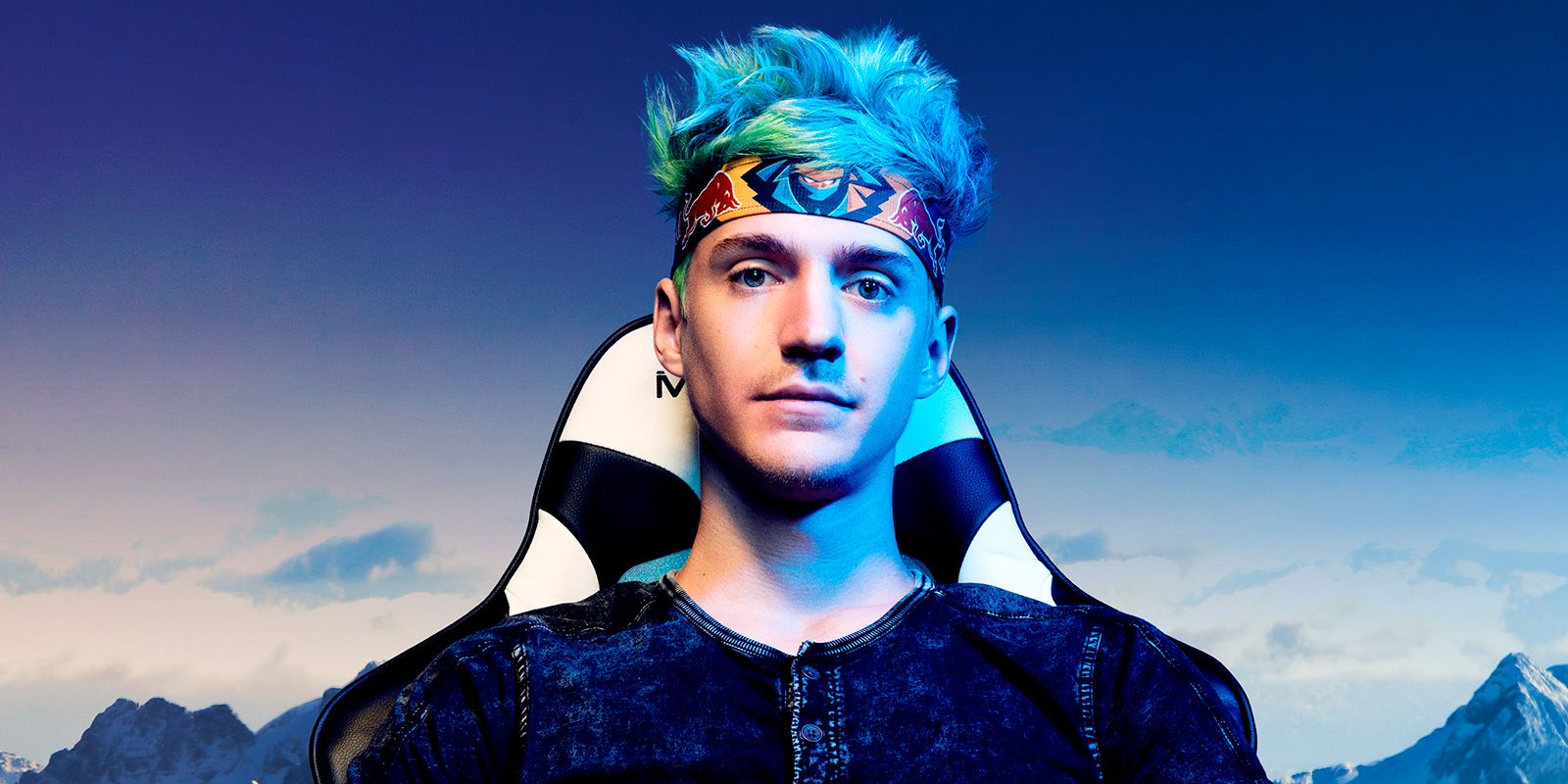
Video games have transformed into a mainstream medium of entertainment. Esports, once a tiny niche, are overwhelming the same stadiums that house traditional sports events. Ninja, arguably the most popular streamer in the world, is the first of his kind: A Mainstream Gamer. Like thousands of others, Ninja took advantage of the opportunities video games and technology have offered, creating a shocking new way to develop fame in a method no other movie star or athlete ever could.
There’s an intimacy in live streaming video games. Your audience does the same thing. They play the same games, feel the same emotions while playing, and experience the same barriers. Instead of huddling on a couch playing on a split screen, everything and everyone is connected, and live streaming has developed this new connection between people. It’s a social experience. It’s this weird blend between interacting with a celebrity and watching a dude play video games at his home.
It’s shifted the way we consume and respond to entertainment. It’s instantaneous and explosive, and when a streamer hits success, it hits in big ways.
But no one has done it like Ninja.

In an episode of the True Geordie Podcast, Ninja sat down and spoke about several topics including his brand, the difference between streamers and YouTubers, who he is as a person outside of gaming, and the controversy of his departure from Twitch that has left him “salty.”
“I’m not saying we were looking to leave [Twitch]. We weren’t. We wanted to make it work… We gave them so many [opportunities] like: ‘Hey guys, listen, what are you doing?’ We were not asking for a lot, and I’m not even talking money, we just wanted a little bit more freedom and they just weren’t budging. Then we talked with Mixer and in two weeks all the negotiations were like alright, perfect, done. It was so simple, so quick.”
It kickstarted what people are calling “The Streaming Wars” as several popular streamers move platforms in exclusive contract deals. This is ultimately what Ninja’s goal was in the move—to help other streamers.
“I knew what it was going to do for a lot of other streamers and gamers,” Ninja said. “That’s what I kept telling myself in the back of my head, that the deal was great—and I really do love the platform; its incredible—but my wife and I, we went into this like we’re doing this for everyone else. And look what happened, man, we got people bidding, resigning to Twitch, moving to YouTube, more people being signed and getting deals and that’s how it should be.”
[youtube https://www.youtube.com/watch?v=2hmnsAIJg5I]
And while streaming is beginning to snowball into a huge form of entertainment, it’s still incredibly misunderstood. Ninja was highlighted as a guest on an episode of the Ellen Degeneres Show, but he revealed it wasn’t what he expected.
“With Ellen, I was like, I want to be on the chair. I wanted to ask questions. I wanted to have a great conversation because I know I’d kill it, but then, you know, it’s just a little one minute [segment], we’re playing [Fortnite]. Then I see Britney Spears goes on, and she—dude, I’m sorry, I have to say it—it’s the stupidest shit, man,” He said.
He continued, “She goes on there to announce that she has an announcement. She was able to sit in the chair and get that face time, that she had an announcement about an announcement, and that was it. It was really unfortunate. I was a little salty about it, but obviously, of course, I get it. I’m not Britney Spears.”
Ninja’s popularity has helped sparked awareness of video games and esports as viable forms of entertainment consumption, but there’s still a long way to go. Like it was stated in the podcast, when a traditional athlete is on a show for an interview, they’re not told to demonstrate their abilities. Everyone knows what it’s like to watch a football player on the field. Ninja, on the other hand, has this unspoken responsibility to build the bridge between video games and an older, unaware audience. It’s a forced obligation that could create more barriers instead of opening more pathways.
However, it hasn’t deterred Ninja from working to develop himself, and his brand, into an icon in the entertainment industry.
“Once we were into six months of blowing up, averaging more than 100,000 viewers every single day, we saw Fortnite start to slowly decline, and we knew it would, I was like ‘Ok we have to solidify me as a gamer and streamer’,” he said. “I realized I wanted to be more cartoony, more of a character, and we’re doing a lot of that to reach that goal. That is the goal, to become a symbol and an icon. I want to be remembered as one of the greatest gamers of all time, if not the greatest.”

The fame that Ninja has achieved has been explosive. From top partnerships like Adidas and Red Bull to book sales and widespread merchandise, it’s obvious that the 28 year old gamer has no intention of slowing down, but being the best doesn’t always pull in the best vibes.
“I want to get so big that no one can talk shit anymore,” he stated. “No one is making shit videos about David Beckham. I want to get on that level. I want to hit The Rock level. He’s untouchable in the greatest way.” He continued, “I’ve witnessed going from the underdog, going from this guy who was coming up on Fortnite and getting love from everyone, and getting solid love for a year, just compliments, and then seeing it change.”
Fame opened up a door for brutality. He wasn’t another gamer representing the community anymore. He was a figure on a pedestal, and everyone wanted to see it crumble beneath him. “The comedown from that high in the last year, where everything has become more jaded, and I have to SMD (share my drink) to get one compliment,” he said.
“When you become the champion, everyone wants to see you lose your title,” host Brian Davis added.
Fortunately for Ninja, his growth seems to have only just begun.