


The choices we make define who we are, and the same is true for characters in stories—whether they exist within the pages of a book or the immersive worlds of video games. Both literature and gaming explore complex ethical dilemmas, challenging readers and players to question their values and consider the consequences of their actions. By examining key examples from both mediums, we can see how morality and choice shape narratives and engage audiences.
Literature: The Timeless Exploration of Ethics
Victor Frankenstein’s Hubris in Mary Shelley’s Frankenstein

Mary Shelley’s Frankenstein presents a haunting exploration of scientific ambition and moral responsibility. Victor Frankenstein’s choice to create life—and his subsequent decision to abandon his creation—raises profound questions about accountability and the consequences of playing god. Shelley forces readers to grapple with the ethical boundaries of human innovation, making it a timeless study of moral complexity.
Sophie’s Choice by William Styron

In Sophie’s Choice, the titular character’s heart-wrenching decision during the Holocaust exemplifies the devastating weight of moral dilemmas. Sophie’s impossible choice—which child to save—not only shapes her character but also serves as a poignant commentary on human suffering and the ethical challenges faced in extreme circumstances.
The Moral Gray in Dostoevsky’s Crime and Punishment

Fyodor Dostoevsky’s Crime and Punishment delves into the psychology of moral relativism through Raskolnikov, who justifies murder for the greater good. As the novel progresses, his guilt and inner turmoil reveal the flaws in his reasoning. Dostoevsky’s work underscores the complexities of ethical justification and the human capacity for remorse.
Gaming: Interactive Ethics and Player Agency
The Walking Dead: A Telltale Games Series

In Telltale’s The Walking Dead, players guide protagonist Lee Everett through a zombie apocalypse, making decisions that impact the story’s outcome. Choices often blur the line between right and wrong, such as deciding who lives or dies in resource-scarce environments. The emotional weight of these decisions mirrors the moral quandaries found in literature, demonstrating gaming’s ability to foster empathy and self-reflection.
I have my own reservations about Telltale’s consequence-based storylines. In many ways, it feels like decisions are often aligned, and outcomes are either the same or delve into similar events. However, the characters here stick, and perhaps the decisions themselves are what carry the most weight in these stories. Living in a world wilting beneath a zombie apocalypse is not for the weak.
Mass Effect: Galactic Consequences

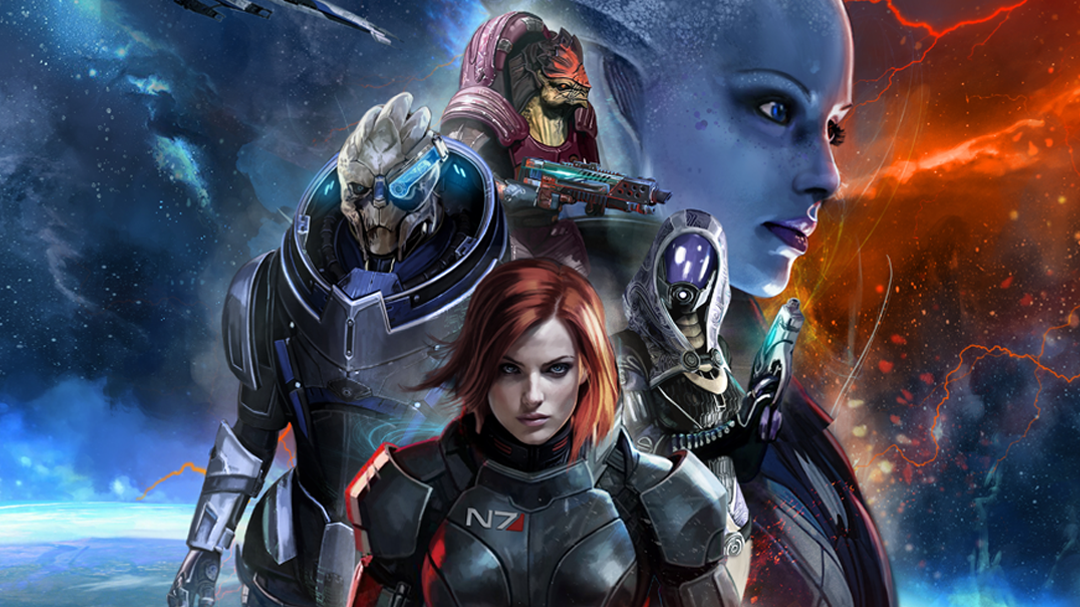
The Mass Effect series is renowned for its branching narratives driven by player choices. Commander Shepard’s ethical decisions—such as sacrificing a colony to save an ally or choosing between two races’ survival—carry repercussions that ripple across the galaxy. These moments highlight the complexities of leadership and the far-reaching impact of moral decisions. As the leading push against the Reapers, Shepard is often tossed into events where they have to choose between the good of the galaxy, and the good of their companions, and as someone who adores the motley crew on the Normandy, these decisions are heavy.
The Witcher 3: The Cost of Neutrality

In The Witcher 3, Geralt of Rivia often faces ethical dilemmas without clear right or wrong answers. For example, quests like “The Bloody Baron” challenge players to consider themes of domestic abuse, redemption, and accountability. The game’s nuanced portrayal of morality emphasizes the real-world intricacies of ethical decision-making. Geralt is a monster-hunter, but in the world of The Witcher, oftentimes, the biggest monster is a man.
“Evil is evil… lesser, greater, middling. It’s all the same. If I have to choose between one evil and another, then I prefer not to choose at all.”
The Intersection: Why These Mediums Excel at Exploring Morality
Both literature and gaming excel at presenting ethical dilemmas because they engage audiences in different yet complementary ways. Literature allows for deep introspection and analysis, inviting readers to examine characters’ choices and their broader implications. Gaming, on the other hand, offers interactive participation, placing players in the shoes of the decision-maker and immersing them in the emotional and practical consequences of their actions.
Together, these mediums provide a rich tapestry for exploring morality, showcasing the universality of ethical challenges across time, cultures, and platforms. By engaging with these stories, we learn more about ourselves and the principles we hold dear.